Common access problems with Maida Vale removals
Anyone planning a move in Maida Vale quickly notices one thing: access can be the tricky bit. The flat may be beautiful, the street may be peaceful, and the route may look simple on a map - then moving day arrives and the realities of narrow roads, tight stairwells, awkward parking, and shared entrances show up all at once. Common access problems with Maida Vale removals are not just a nuisance; they can change timing, costs, vehicle choice, and how safely your belongings are handled.
This guide breaks down the access issues that tend to crop up in Maida Vale, why they matter, and how to prepare for them properly. Whether you are moving a studio flat, a family home, or an office space, the aim is the same: fewer surprises, less stress, and a move that feels organised rather than chaotic. Truth be told, a lot of the pain is preventable with a bit of planning.
Table of Contents
- Why access problems matter in Maida Vale removals
- How access planning works on moving day
- Key benefits and practical advantages
- Who this is for and when it makes sense
- Step-by-step guidance
- Expert tips for better results
- Common mistakes to avoid
- Tools, resources and recommendations
- Law, compliance, standards, or best practice
- Options, methods, or comparison table
- Case study or real-world example
- Practical checklist
- Conclusion
- Frequently asked questions
Why Common access problems with Maida Vale removals Matters
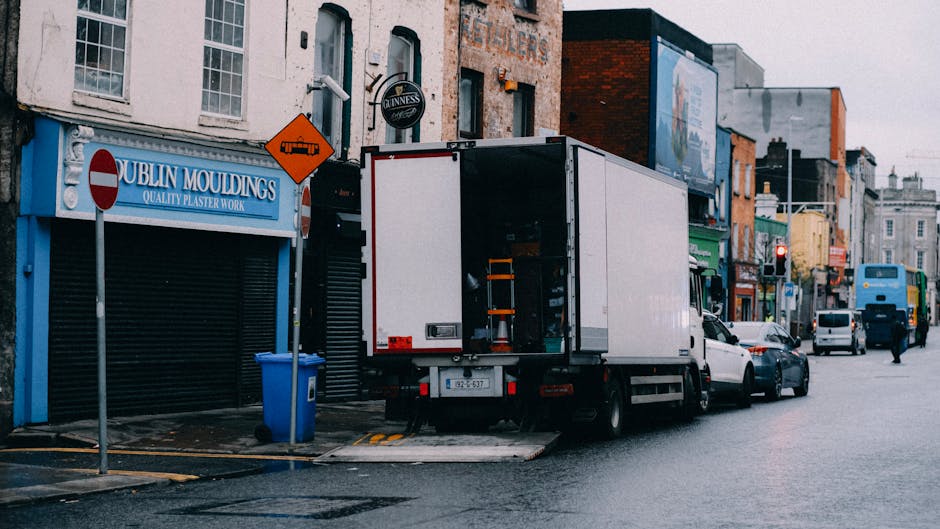
Access issues matter because removals are not only about transport; they are about the space between the front door and the vehicle. In Maida Vale, that space can be the difference between a smooth two-hour move and a day full of delays. A van may park half a street away. A sofa may not fit around a staircase bend. A lift may be too small for a wardrobe. Or a resident permit bay may be occupied just when you need it most. Small access problems have a funny way of turning into big ones.
For local moves, especially in mansion blocks, converted period properties, and apartment buildings, access shapes almost everything: crew size, loading time, equipment needed, and whether dismantling is sensible before the move. If you are booking a service such as home moves or using a flexible man with van service, giving accurate access details helps the team plan properly rather than guessing on the day.
There is also the safety side. Carrying a heavy wardrobe down a tight staircase or around a corner with no landing space is where accidents happen. This is why many removal teams ask detailed questions about stairs, lifts, parking distance, door widths, and whether there is any basement or upper-floor storage involved.
Expert summary: In Maida Vale, access is rarely the headline issue until it becomes the headline issue. If you plan for it early, most problems become manageable. If you leave it until moving day, they tend to be expensive, tiring, and slightly ridiculous.
How Common access problems with Maida Vale removals Works
Access planning starts with a realistic picture of both properties. That means the collection address, the delivery address, and the route between them. A good mover will usually want to know if there are steps at the entrance, whether the lift is working, how far the van can park from the door, and whether larger items need disassembly. They may also ask about road width, loading restrictions, and building rules. Sounds simple. It rarely is.
In practical terms, the process normally follows this pattern:
- You describe the property access on both ends.
- The mover assesses whether a standard van, larger vehicle, or shuttle-style loading approach is best.
- Any problem items are identified early, such as sofas, beds, fridges, or oversized desks.
- Timing and crew requirements are adjusted to suit the real access conditions.
- On moving day, the team arrives with the right tools, route plan, and expectation of what they are dealing with.
That last point matters. People often think access is only about parking. It is not. It includes the full chain: pavement space, hallway width, stair turns, lift size, key collection delays, loading bay access, and even whether you can hold doors open safely while carrying bulky items. A small lobby can feel even smaller when a mattress is trying to make the turn.
If you are moving a commercial space, access planning can be even more important. Office moves often involve lifts shared with other tenants, security desks, time windows, and equipment that cannot simply be left in a corridor. For that kind of job, office relocation services or commercial moves usually need more detailed access notes than a standard residential move.
Key Benefits and Practical Advantages
Dealing with access properly is not just about avoiding trouble. It creates a better move in several very concrete ways.
- Fewer delays: If the team knows about parking limitations and stairs in advance, they can plan the route and sequence of loading.
- Lower risk of damage: Knowing that a fridge will not turn in the hallway means you can plan a safer way to move it, perhaps with dismantling or specialist handling.
- Better vehicle choice: Some Maida Vale streets suit smaller vehicles better than large ones, while others may allow straightforward loading. The right choice saves time.
- More accurate pricing: Access issues can affect labour time and equipment. Clear information helps quotes stay realistic.
- Less stress on the day: No one enjoys standing in the rain while a crew looks for a legal parking spot and the clock keeps ticking.
There is a quieter benefit too: good access planning makes the whole move feel calmer. You will know where boxes are going, what might need lifting by hand, and whether anything needs to be moved first to create working space. That sense of order helps more than people expect.
If you also need help with fragile packing or a lot of small items, packing and unpacking services can reduce the pressure further. When access is tight, better packing often means fewer awkward shapes to wrestle through awkward spaces. Handy, that.
Who This Is For and When It Makes Sense
This topic matters to more people than you might think. It is not only for those in high-rise flats or old buildings. Access problems can affect almost any Maida Vale move.
You will benefit from careful access planning if you are:
- moving from a top-floor flat with stairs only
- living in a period conversion with narrow internal routes
- sharing a building entrance or lift with neighbours
- moving on a street with limited parking or loading space
- relocating bulky furniture, appliances, or office equipment
- using a smaller vehicle and making multiple trips
- trying to move quickly between lease dates or check-in times
It also makes sense if you are unsure whether your items will physically fit. That is a common anxiety, by the way. People often know the furniture dimensions but not the doorway width, the stair turn, or the lip at the base of a loading lift. One measured wall does not tell the whole story.
For smaller, straightforward moves, a flexible man and van arrangement may be enough. For bigger loads, or where access is awkward and time matters, a larger removal truck hire setup may be the better fit. The point is not to pick the biggest vehicle. It is to pick the one that can actually work on your street and in your building.
Step-by-Step Guidance
Here is a practical way to handle access problems before they become move-day headaches.
1. Walk the route from room to van
Do not just stand at the front door and guess. Walk the route from the room where the item sits all the way to the vehicle. Count stairs. Check corners. Look for low ceilings, narrow halls, internal doors that swing the wrong way, and anything fragile such as glass panels or banisters.
2. Measure the awkward items
Measure the tallest, widest, and deepest items first. Sofas, wardrobes, beds, mattresses, white goods, and office desks are usually the problem children. If something is close to the width of a doorway, assume it will be awkward until proven otherwise.
3. Check parking and loading options
Figure out where a vehicle can stand legally and realistically. In Maida Vale, parking can be competitive, and a perfect loading bay on paper may be taken by the time you arrive. If access relies on a very specific spot, build in a fallback option.
4. Speak to the building manager or landlord
Ask about lift bookings, key fobs, security rules, move-in time slots, and whether there are any restrictions on using the communal entrance. Some buildings want advance notice, and some expect the lift to be padded or protected. It is better to know before the boxes do.
5. Decide what should be dismantled
Large furniture can often be made easier to move by taking it apart. Bed frames, table legs, and some wardrobes are much friendlier once reduced to manageable pieces. If you are not sure what can be safely dismantled, ask before the day rather than with a screwdriver in one hand and a headache in the other.
6. Sort out items that should not travel with the main move
Some belongings need special handling, disposal, or separate transport. This may include old appliances, mattresses, sofas, or items that are unsuitable for regular removal. If you have bulky items to clear, services such as fridge and appliance removal or mattress and sofa disposal may be more practical than forcing them into the main load.
7. Share the information in writing
It helps to send access notes by message or email. Include floor level, lift size, parking restrictions, and any time windows. Written details reduce misunderstandings, especially when you are busy and everyone is working from memory. Memory is lovely, but not always reliable.
Expert Tips for Better Results
A few small decisions can make a big difference. Here are the ones that matter most in real life.
- Book earlier if access is tight: Busy street parking and shared building slots are easier to plan around when the date is fixed well in advance.
- Keep an eye on timing: School runs, bin collection times, and commuter traffic can all make already tricky access a bit worse.
- Protect the route: If you live in a building with polished floors or narrow communal spaces, put down coverings or ask what protection is needed.
- Label heavy items clearly: A box marked "heavy" is not a moral failing. It is just helpful.
- Separate the absolute essentials: Keep keys, documents, chargers, meds, and one day's worth of basics with you. If access is delayed, you will be glad you did.
One more thing: if your move includes confidential papers, do not throw them into random boxes and hope for the best. A separate confidential shredding service can be useful for offices and home workers who are clearing desks at the same time as moving. It is one of those quiet little jobs that saves future hassle.
And yes, if a move feels messy before it starts, that does not mean you have failed. It usually means you are seeing the true shape of the job. Slightly annoying, but useful.
Common Mistakes to Avoid
Most access problems are not caused by bad luck. They happen because one small detail was assumed rather than checked.
- Assuming the van can park right outside: Streets and loading spaces can be deceptive. What looks easy at 7 a.m. may be impossible at 10 a.m.
- Ignoring lift limitations: A lift might fit people comfortably but not a sofa or a king-size mattress.
- Forgetting corridor turns: A wardrobe can clear a doorway and still fail at the turn immediately after it.
- Not warning about stairs: Even a single flight of narrow steps can change the plan completely.
- Leaving bulky disposal items to the last minute: Old furniture or appliances can block routes and slow everything down.
- Failing to check building rules: Some properties require move bookings, pad protection, or a certain access window.
A very common one, and a bit of a classic, is not measuring the route inside the property. People measure a sofa. They forget the hallway corner. Then everybody stands there, slightly silent, pretending it might still go through if everyone just believes hard enough.
Tools, Resources and Recommendations
You do not need a van full of fancy kit to solve most access issues, but a few basic things help a lot.
- Measuring tape: Useful for checking doorways, furniture, lifts, and tricky turns.
- Phone camera: Take photos of staircases, entrances, parking signs, and tight corners. A picture often explains things better than a long message.
- Simple floor plan or sketch: Even a rough drawing can help a mover picture the route.
- Labels and marker pens: Keep the load organised so items that must come out first are easy to find.
- Furniture blankets and wraps: Protection matters when walls and banisters are close to the action.
If you need a vehicle with a bit more capacity, a moving truck can be useful for larger loads, while house removalists may suit moves where access, packing, and handling all need to be coordinated together. For straightforward single-item transport, a small vehicle can sometimes be the smarter answer. Bigger is not automatically better.
For sustainability-minded moves, it is also worth thinking about what can be reused, repaired, or recycled instead of sent out with the rest of the load. The site's recycling and sustainability information is relevant if you are clearing out before the move and want to keep waste to a sensible minimum.
Law, Compliance, Standards, or Best Practice
For removals in London, access planning is guided less by one single dramatic rule and more by a combination of practical obligations, building policies, and general safety expectations. That means you should think in terms of best practice: lawful parking, safe lifting, reasonable building access, and proper handling of items that should not be moved in an ordinary load.
From a professional standpoint, a removal company should be clear about health and safety processes, insurance considerations, and how they manage fragile or heavy items. If you are comparing providers, it is sensible to look for clear information on health and safety policy, insurance and safety, and payment and security. Those pages do not solve access problems directly, but they do help you judge whether the company is set up to handle real-world moving conditions responsibly.
For hazardous or unusual items, do not assume the main move is the right channel. Batteries, chemicals, and similar materials may require separate treatment or disposal. If you are unsure, ask first. That is much safer than improvising on the day, and frankly far less stressful.
Options, Methods, or Comparison Table
Different access situations call for different approaches. Here is a simple comparison that may help you decide what feels realistic.
| Approach | Best for | Strengths | Watch-outs |
|---|---|---|---|
| Small man and van | Light loads, short-distance moves, tighter streets | Flexible, easier to park, often efficient for single trips | Limited volume, may need multiple runs |
| Larger removal truck | Big household moves or fuller property clearances | More space, fewer trips, better for larger loads | Needs more parking room and better loading access |
| Disassembly-first move | Bulky furniture, narrow staircases, awkward corners | Safer handling, easier route through the property | Takes planning and the right tools |
| Staged loading | Buildings with limited entry access or shared lifts | Controlled movement, less congestion, better building etiquette | Can take longer if not organised well |
The right choice depends on the actual access conditions, not just the volume of items. A smaller move with bad access can be harder than a bigger move with excellent access. That surprises people sometimes, but it is true.
Case Study or Real-World Example
Here is a typical scenario from a Maida Vale-style move, with details kept general and practical.
A household moving out of a second-floor flat discovered that the main staircase curved tightly at the midpoint, and the living room sofa was only just under the width of the hallway at its widest point. The street also had limited space for loading, so the vehicle could not sit directly outside for long. On paper, it looked like a standard local move. In reality, it was a careful access job.
The solution was straightforward but needed discipline: the team measured the sofa and the staircase in advance, removed the sofa legs, moved smaller boxes first to clear working space, and staged the heaviest furniture near the front room before loading. They also used a parking plan that allowed the vehicle to wait a short distance away without causing unnecessary disruption.
Nothing magical happened. No miracle lift, no hidden loading bay. Just preparation. And that is usually the point. When access is tight, the win comes from boring, sensible steps done early.
By the end, the move was still tiring - let's not pretend otherwise - but it was controlled, which is the part people remember later with relief.
Practical Checklist
Use this checklist before move day. It is simple, but it catches a lot of problems.
- Confirm floor level and whether there is lift access
- Measure the largest furniture and appliance items
- Check door widths, stair turns, and hallway bottlenecks
- Confirm parking and loading space near both addresses
- Ask about building rules, access hours, and lift bookings
- Decide what needs dismantling before the move
- Separate items for disposal, recycling, or specialist handling
- Share photos or a short access note with the mover
- Keep essentials and valuables with you
- Leave a little extra time for unexpected snags
If you tick off those points, you are already ahead of most move-day problems. Not perfect, maybe. But properly prepared, yes.
Conclusion
Common access problems with Maida Vale removals usually come down to a handful of repeat issues: limited parking, narrow staircases, lift restrictions, awkward furniture, and building rules that only reveal themselves at the worst possible moment. The good news is that almost all of this can be managed if you plan early, measure honestly, and tell your mover the full story rather than the tidy version.
What matters most is not pretending the access is easy. It is knowing where the pinch points are and building the move around them. That is what turns a stressful day into a workable one. In a place like Maida Vale, that practical thinking is worth its weight in boxes.
Get a free quote today and see how much you can save.
And if you are still feeling unsure, that is completely normal. A good move starts with good information, then everything else gets a little easier from there.
Frequently Asked Questions
What are the most common access problems during Maida Vale removals?
The most common issues are restricted parking, narrow staircases, small lifts, limited loading space, and furniture that is too large for the internal route. Building rules can also slow things down if they are not checked in advance.
How do I know if my furniture will fit through the door or stairs?
Measure the furniture at its widest point, then compare that with doorways, corners, and stair turns. If the item is even close to the limit, assume it may need to be dismantled or moved in a different way.
Do I need to tell the removals company about parking problems?
Yes, absolutely. Parking is a major part of access planning. If the van cannot stop close to the property, the move may take longer and require extra labour. It is much better to explain that early.
Is a lift always better than stairs for a move?
Not always. A lift can be very helpful, but only if it is large enough, available when needed, and allowed under the building's rules. Some items are still easier to carry on stairs if the lift is too small or too slow.
What should I do if my building has strict move-in or move-out rules?
Ask for the rules in writing, including the approved time window and any booking requirements. Then share those details with the removals team so they can schedule the job properly.
Can access issues change the price of a removal?
They can, because difficult access often means more time, more lifting, or different equipment. That is why honest access details matter when getting a quote. It keeps expectations realistic and avoids awkward surprises later.
Should I dismantle furniture before moving day?
If an item is bulky, heavy, or likely to snag on corners, dismantling it is usually a smart move. Beds, tables, and some wardrobes are common candidates. If you are unsure, ask the removals team first.
What happens if the removal truck cannot park near my flat?
The team may need to use a longer carry distance, which adds time and effort. In some cases, a smaller vehicle or a different loading plan may be better. Good planning helps avoid this being a last-minute shock.
Are access problems worse in period conversions and older buildings?
Often, yes. Older buildings can have tighter stairs, awkward landings, and less predictable layouts. That does not mean the move is impossible; it just means it needs more careful planning.
What should I do with items that are too awkward or unsuitable for the main move?
Separate them early and decide whether they need disposal, specialist handling, or a different service. Appliance, sofa, and mattress disposal can be useful for items that are not worth forcing into the main move.
How far in advance should I discuss access problems?
As soon as you know about them. The earlier you mention a tight staircase, limited parking, or lift restrictions, the easier it is for the mover to plan the right vehicle and crew size.
What is the simplest way to make a tricky Maida Vale move easier?
Measure everything, share photos, confirm parking, and be honest about the access. That combination solves more problems than people expect. It is not glamorous, but it works.
Where can I find more information about the company before booking?
You can read the about us page for background and check pricing and quotes if you want to understand how estimates are handled. If you need to talk through something specific, the contact us page is the natural next step.