W9 Removals Checklist for Sutherland Avenue Flats: A Practical Guide for Smooth, Low-Stress Moves
Moving out of a flat in W9 sounds simple enough on paper. Then the boxes stack up, the hallway narrows, the lift is busy, and suddenly the whole thing feels a bit more complicated than it did at 9am. That is exactly where a W9 removals checklist for Sutherland Avenue flats earns its keep. It gives you a calm, step-by-step way to handle the move without missing the awkward details that tend to trip people up in mansion blocks, converted flats, and period buildings.
Whether you are leaving a rental, selling a flat, or helping a family member move, the main aim is the same: get everything out safely, protect communal areas, and avoid those last-minute surprises that cost time and money. This guide covers the practical reality of moving in and around Sutherland Avenue, with useful checks for access, packing, waste, bulky items, and responsible disposal. A good move is rarely glamorous. It is, however, absolutely manageable.
For readers planning the disposal side of the move, it can help to review service pages such as pricing and quotes, book online, and the company's recycling and sustainability approach before the big day. Small decisions early on often make the whole process run much more smoothly.
Table of Contents
- Why W9 removals checklist for Sutherland Avenue flats Matters
- How W9 removals checklist for Sutherland Avenue flats Works
- Key Benefits and Practical Advantages
- Who This Is For and When It Makes Sense
- Step-by-Step Guidance
- Expert Tips for Better Results
- Common Mistakes to Avoid
- Tools, Resources and Recommendations
- Law, Compliance, Standards, or Best Practice
- Options, Methods, or Comparison Table
- Case Study or Real-World Example
- Practical Checklist
- Conclusion
- Frequently Asked Questions
Why W9 removals checklist for Sutherland Avenue flats Matters
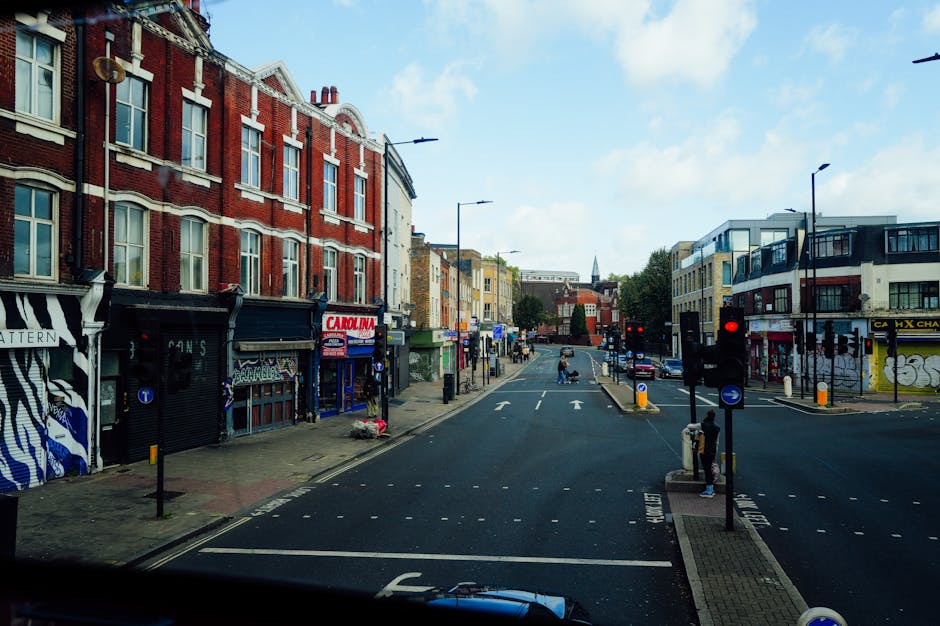
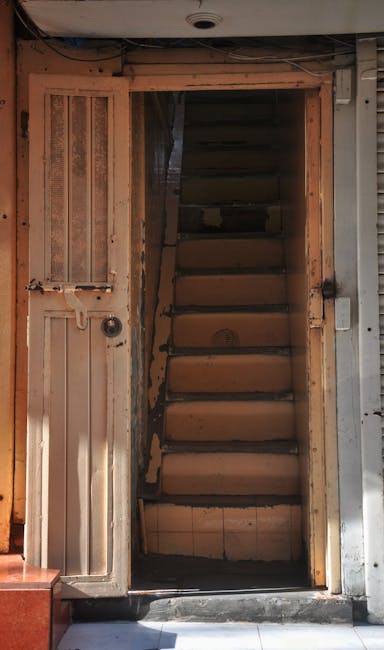
Flat removals in W9 are a different beast from moving out of a house. Sutherland Avenue has a mix of period properties, purpose-built blocks, and homes with shared access points, so the logistics can get fiddly very quickly. A checklist keeps the day under control. It helps you think through the move before the van arrives, rather than while people are already standing in the stairwell with a sofa that will not quite turn the corner.
The real value is not just organisation. It is protection. Protection for your belongings, yes, but also for walls, lifts, floors, neighbours, and your deposit if you are renting. In our experience, the jobs that feel "quick enough" at first are often the ones that create the biggest headaches later: a wardrobe that does not fit through the landing, a fridge left for disposal too late, a packing pile that blocks the only clear route out. Lets face it, nobody wants to be carrying rubbish bags down the stairs at 8pm because the recycling plan was never quite sorted.
There is also a trust angle here. A proper removals checklist makes it easier to compare services, ask the right questions, and spot whether a provider is being careful or merely optimistic. If you are booking help, it is worth checking practical trust pages too, such as insurance and safety information and the company's health and safety policy. That is not overkill. It is just sensible.
How W9 removals checklist for Sutherland Avenue flats Works
The checklist works by breaking a move into stages rather than treating it as one giant task. That is the trick. You start with planning, then sorting, then packing, then access and transport, then disposal and final handover. Each stage has its own decisions, and each one becomes easier when the previous stage is done properly.
For a flat on Sutherland Avenue, a good checklist usually includes:
- measuring doors, stairs, and awkward corners before moving day
- confirming whether there is lift access or limited parking
- separating items to keep, donate, recycle, or remove
- identifying bulky furniture and appliances early
- arranging safe disposal for anything not worth moving
- packaging fragile or valuable items separately
- planning access times so the van does not clash with neighbours or building rules
That might sound straightforward, and mostly it is. But on the ground, the detail matters. A moving team can only work as efficiently as the building allows. If a communal entrance is narrow or the street is busy, the whole operation needs a bit more thought. A checklist makes those constraints visible before they become a problem.
For items that need specialist handling, such as white goods or old furniture, you can cross-check specific disposal guidance like fridge and appliance removal or mattress and sofa disposal. That helps prevent the classic mistake of leaving bulky waste to the final hour. Which, honestly, never ends well.
Key Benefits and Practical Advantages
A well-built removals checklist does more than keep you organised. It changes how the whole move feels. Instead of reacting to problems, you are making decisions in advance. That saves energy on the day and reduces the chance of damage, delays, or avoidable costs.
Practical advantages include:
- Less stress: you know what gets packed, what gets removed, and what stays behind.
- Fewer delays: clear access and pre-sorted items speed up loading.
- Better protection: fragile items, floors, and shared areas are less likely to be damaged.
- Cleaner handover: leaving the flat in a tidy state can matter a lot at the end of a tenancy or sale.
- Smarter spending: it is easier to avoid paying to move things that should have been disposed of earlier.
There is also a quieter benefit people often miss: confidence. A move can make even organised people feel slightly scrambled. A checklist gives you a sense of progress every time a task gets ticked off. Tiny win, but useful. Very useful, actually.
Expert summary: The best removals checklist is not the longest one. It is the one that fits the flat, the street, and the way you actually live. In W9, that usually means planning access carefully, sorting bulky items early, and keeping disposal separate from transport.
Who This Is For and When It Makes Sense
This guide is for anyone moving from a flat in or around Sutherland Avenue, especially if the property has shared access, limited storage, or large items that are awkward to shift. It is relevant whether you are moving a one-bedroom rental, a family flat, or a fully furnished home with years of belongings tucked into cupboards, loft corners, and under-bed boxes.
It makes particular sense if you are:
- ending a tenancy and need a tidy, complete handover
- downsizing and want to reduce clutter before moving
- dealing with furniture that will not fit in the new place
- disposing of appliances, mattresses, or old sofas
- sorting confidential papers, old electronics, or mixed household waste
- trying to coordinate a move in a building with neighbours, shared hallways, or restricted parking
If you are only moving a few boxes, you may not need a full-service removals plan. But once there is furniture, waste, or tight access involved, a checklist becomes much more than a nice extra. It becomes the difference between a tidy move and a messy one.
For people juggling multiple disposal needs, pages like confidential shredding can be surprisingly helpful. Old files, bank statements, and paperwork always seem to appear at the worst moment, usually when you are already buried under tape and bubble wrap.
Step-by-Step Guidance
Here is a practical way to tackle a flat move in W9 without letting the whole thing sprawl. Think of this as the real-world version, not the tidy brochure version.
1. Start with a room-by-room sort
Go through each room and split items into four groups: keep, donate, recycle, and remove. Be honest with yourself here. If something has not been used in two years and costs more to move than replace, it may belong in the remove pile. That old lamp you keep meaning to fix? Maybe not this time.
2. Measure access before you pack too much
In flats, access is often where moves get awkward. Measure doorways, note narrow corridors, and check whether large items will need to be dismantled. If there is a lift, find out whether it is available on your moving day and whether the building has any booking rules. A quick call to the managing agent can save a lot of back-and-forth later.
3. Identify bulky waste early
Mattresses, wardrobes, sofas, appliances, and broken chairs are the usual suspects. These are not things you want to discover the night before the move. If you need to arrange specialist disposal, look at service information such as appliance removal and bulky furniture disposal. The earlier you flag them, the easier it is to keep the move tidy.
4. Pack in the order you will unpack
Pack essentials separately: kettle, chargers, medication, documents, a change of clothes, basic toiletries. Put them somewhere easy to find. Not in the bottom of a box labelled "miscellaneous," because that is just how a headache begins. Label the rest room by room, and keep fragile items clearly marked.
5. Protect the route out
Use floor coverings, moving blankets, or cardboard where needed to protect communal areas. This is especially helpful in older buildings where hallways and stair surfaces can mark easily. Even if you are moving carefully, a loaded trolley can still scuff a wall. It happens fast.
6. Plan disposal and recycling separately from the move
Not everything belongs on the van. Some items are better recycled, shredded, or disposed of safely. For broader guidance, the page on what can go in a skip is useful if you are trying to work out what is acceptable and what needs a different route. That is particularly handy if you are combining a clear-out with a move-out.
7. Do a final walk-through
Before leaving, check cupboards, behind doors, inside loft spaces, under sinks, and on balconies. People miss the oddest things here. Remote controls, spare keys, the last pair of boots, a half-used broom. It is always the small thing, isn't it?
Expert Tips for Better Results
There are a few practical habits that make a removals checklist much more effective. None are complicated. They just come from knowing where jobs usually go sideways.
- Book access time first, then book the move: If your building has time restrictions or shared entry arrangements, confirm them early.
- Keep one box of essentials with you: Do not put documents, keys, chargers, and valuables into the general load.
- Separate disposal from moving: If something is rubbish, remove it before the main loading day if possible.
- Use clear labels: "Kitchen - glassware" is better than "Kitchen stuff." Much better.
- Disassemble only where needed: If furniture can move intact, great. If not, take it apart neatly and keep fittings together in a labelled bag.
One useful trick for flat moves in W9 is to create a "do not touch" zone. This is the box or corner with your essentials, anything sentimental, and items needed for the first night. It stops helpful people from packing the toothbrush, which has happened more than once, to be fair.
Another small but important point: check payment and booking details before the move. Good providers are transparent about how they handle bookings and deposits. A page like payment and security is a sensible read if you want reassurance before confirming arrangements.
Common Mistakes to Avoid
The same mistakes crop up again and again. Most are simple, but they create outsized stress.
- Leaving packing too late: rushed packing leads to broken items and missed essentials.
- Forgetting about building access: a perfect plan means very little if the lift is out of service or parking is blocked.
- Assuming all waste can go together: appliances, electronics, mattresses, and hazardous items often need different handling.
- Overfilling boxes: heavy boxes break, and backs complain louder than you expect.
- Not checking for recycling options: usable or recyclable items should not automatically become mixed waste.
- Skipping the final sweep: the smallest forgotten items are the ones that annoy you later.
It sounds obvious written down. In real life, with the kettle unplugged and the hallway full, obvious things are exactly what disappear. That is why the checklist matters.
Tools, Resources and Recommendations
You do not need a mountain of specialist gear for a flat move, but a few basics will save time and reduce damage.
- Strong boxes: choose mixed sizes so books and heavy items do not overload larger boxes.
- Packing tape and a dispenser: a small thing that makes a big difference when you are doing box after box.
- Labels or marker pens: clear room and content labels keep unpacking sane.
- Protective blankets or covers: useful for furniture, doors, and awkward corners.
- Basic tools: screwdriver, Allen keys, and bags for fittings.
- Bins or sacks for sorting: keep recycling, donation, and disposal streams separate.
For more service-specific support, you may also want to look at hazardous waste disposal if you have paint, chemicals, or other tricky items that should not go into ordinary rubbish. That sort of thing tends to sit quietly in cupboards until moving week. Then suddenly it matters.
If you want to understand broader service standards before booking, the company's insurance and safety information is worth reading alongside the move plan. It is one of those pages most people only check after a problem. Better before, obviously.
Law, Compliance, Standards, or Best Practice
For flat removals, the most useful approach is to follow recognised UK best practice for safe handling, responsible disposal, and considerate access. You do not need to become a compliance expert to move home, but you should understand the basics.
Key practical considerations include:
- disposing of waste through appropriate channels rather than leaving it in communal areas
- handling electrical appliances and bulky furniture in line with common safety expectations
- avoiding blocked fire routes, entrances, or shared stairwells
- keeping noise, disruption, and damage to neighbours as low as reasonably possible
- checking any building-specific rules for lifts, parking, or move times
If confidential documents are involved, the safest route is separate shredding rather than casual disposal. If hazardous materials are involved, use the proper disposal path and do not mix them into general rubbish. That is simple advice, but it matters. A lot.
Providers that publish clear operational policies tend to make it easier for customers to understand what to expect. The pages on health and safety and modern slavery statement help signal the sort of standards a conscientious business should explain openly. In practice, that transparency builds confidence.
Options, Methods, or Comparison Table
There is more than one way to handle a flat clearance or removals job. The right option depends on what you are moving, what you are throwing away, and how much access you have. A quick comparison helps.
| Method | Best for | Strengths | Watch out for |
|---|---|---|---|
| Self-managed move | Small loads, flexible timing | Lower direct cost, full control | More labour, more risk of delays, harder with bulky items |
| Man and van removals | Flat moves with mixed items | Helpful for loading, transport, and awkward lifting | Needs clear access and accurate item lists |
| Combined removals and disposal | Moves with clutter, furniture, or waste | Simplifies the process, fewer separate bookings | Must identify what is staying, moving, or being removed |
| Specialist disposal only | Appliances, mattresses, sofas, hazardous items | Safer handling for awkward or regulated items | May need separate booking from the main move |
For many Sutherland Avenue flats, the most efficient route is a combined plan: move the items you want, dispose of the rest properly, and keep a clean line between the two. It saves mental load as much as anything.
Case Study or Real-World Example
Here is a realistic example. A tenant in a two-bedroom flat near Sutherland Avenue needs to move out by Friday. They have a sofa that will not fit in the new place, a fridge that has seen better days, boxes of books, and a drawer full of old paperwork. The flat has a narrow entrance hall, shared stairs, and a communal landing that everyone uses. Nothing dramatic. Just enough friction to make the day annoying if it is not planned.
The move goes far better once it is broken into steps. First, the paperwork gets separated for shredding. Next, the fridge and sofa are flagged for specialist removal. Then the packing is done by room, with one essentials box kept aside. Finally, the route out of the flat is cleared and protected. On the day itself, the van arrives with a clear list of what is moving and what is being disposed of, so there is no confusion in the hallway.
The result is not magic. It is simply organised. No frantic last-minute decisions. No half-packed kitchen. No awkward, last-thing-at-night furniture debate. And yes, that is usually the difference between a move that feels controlled and one that feels like a small storm in trainers.
Practical Checklist
Use this checklist as a working tool in the days before your move. Tick it off as you go. Seriously, tick it off.
- Confirm moving date, access time, and any building restrictions
- Measure large furniture and key doorways
- Sort belongings into keep, donate, recycle, and remove
- Arrange disposal for mattresses, sofas, appliances, and any hazardous items
- Separate confidential papers for shredding
- Gather boxes, tape, labels, sacks, and protective materials
- Pack essentials for the first 24 hours separately
- Disassemble furniture if needed and store fittings in labelled bags
- Protect floors and shared areas where appropriate
- Keep valuables and documents with you
- Take meter readings if relevant
- Do a final cupboard, shelf, and loft check
- Photograph the flat after clearing it, if you need a record for tenancy handover
- Confirm payment details and booking terms before the day
Quick takeaway: If it is bulky, fragile, confidential, or awkward to carry, deal with it before the main moving day. That one habit removes a lot of pressure.
Conclusion
A good W9 removals checklist for Sutherland Avenue flats is really a stress-reduction tool. It helps you manage the practical realities of flat living in a busy part of London: tight spaces, shared access, bulky items, and the constant temptation to leave "just one more thing" until later. The smarter approach is to sort early, book carefully, and separate moving from disposal wherever possible.
If you are leaving a flat on Sutherland Avenue, do not rely on memory alone. Build the move around a checklist, confirm the building details, and make sure awkward items are dealt with properly. That way the day feels less like a scramble and more like a proper handover. A bit of calm goes a long way, honestly.
Get a free quote today and see how much you can save.
And if you are ready to take the next step, start with the details that matter most: what is moving, what is being removed, and what needs special handling. That is where a smooth move begins.
Frequently Asked Questions
What should be included in a flat removals checklist for Sutherland Avenue?
Include access details, packing supplies, item sorting, bulky waste removal, fragile items, building restrictions, and a final room-by-room sweep. For flats, access and disposal planning are just as important as boxing things up.
How early should I start preparing for a W9 flat move?
Ideally, start several weeks ahead if you have furniture, appliances, or a lot of clutter to clear. Even if the move itself is simple, giving yourself time for sorting and disposal reduces the rush at the end.
Do I need separate disposal for a sofa or mattress?
Usually, yes. Large items like sofas and mattresses often need specific handling because they are bulky and not always suitable for ordinary household waste routes. It is better to plan them separately than leave them as an afterthought.
Can I move a fridge or other appliance myself?
Sometimes, but it is rarely the easiest option. Appliances are heavy, awkward, and can damage flooring or door frames if moved carelessly. If the appliance is being disposed of, specialist removal is often the safer choice.
What is the best way to handle confidential papers during a move?
Separate them early and use confidential shredding rather than putting them in general rubbish. Old statements, tenancy paperwork, and personal records are easy to overlook until the last minute.
How do I avoid damaging communal areas in a flat block?
Use floor protection where needed, move slowly around corners, keep routes clear, and avoid carrying oversized items without planning the path first. If the building has shared hallways or a lift, extra care goes a long way.
Is a combined removals and clearance service worth it?
For many flat moves, yes. If you have items to keep, items to remove, and a tight deadline, a combined service can simplify the process and reduce the number of separate bookings you need to manage.
What happens if I leave items behind in the flat?
It depends on the tenancy or sale terms, but leaving items behind can create extra charges, delays, or disputes. A final walk-through before handover is one of the easiest ways to avoid that.
How can I tell if a removal provider is trustworthy?
Look for clear pricing, sensible booking information, and visible safety guidance. Trust is usually built through transparency. Pages such as insurance, health and safety, and payment details can be a good sign of how a business operates.
What if my flat has limited parking or a narrow street?
Then timing and access become even more important. Make sure you know where the vehicle can stop, how long loading will take, and whether any permissions are needed. In tight London streets, a little planning saves a lot of hassle.
Should I recycle as much as possible before moving?
Yes, if you can. Sorting recyclable items before the move reduces clutter, lowers waste, and usually makes packing easier too. It is a practical step that also feels good, which is not nothing.
How do I book removals for a flat in W9?
Start by listing what needs moving, what needs removing, and any access issues at the property. Then request a quote or arrange a booking with those details ready. The clearer your information, the smoother the service is likely to be.
What if I only need help with a few bulky items?
That can still be worth arranging professionally, especially if the items are heavy or hard to dispose of responsibly. A few large pieces can be more awkward than a whole stack of boxes, oddly enough.