Waste disposal laws after Maida Vale removals: what you need to know before you leave anything behind
If you are clearing a flat, house, or office in Maida Vale, the removals job does not end when the last box goes out the door. Waste disposal laws after Maida Vale removals can affect what happens to broken furniture, old appliances, carpet offcuts, cardboard, confidential paperwork, and the bits that somehow always turn up at the bottom of a cupboard. It sounds straightforward until you are staring at a van full of mixed rubbish and wondering what can go where, who is responsible, and whether the wrong disposal route could come back to bite you later.
That is the real issue here: after a removal, you are often left with a legal and practical mess to sort out. Some items can be reused, some should be recycled, some need specialist handling, and some should never be mixed in with general rubbish at all. In this guide, we will break down the rules in plain English, explain the sensible steps to take, and show you how to avoid the common traps. Nothing dramatic. Just the kind of advice that saves time, stress, and awkward surprises.
Table of Contents
- Why waste disposal laws after Maida Vale removals matter
- How the process works in practice
- Key benefits and practical advantages
- Who this is for and when it makes sense
- Step-by-step guidance
- Expert tips for better results
- Common mistakes to avoid
- Tools, resources and recommendations
- Law, compliance, standards and best practice
- Options, methods and comparison table
- Case study or real-world example
- Practical checklist
- Conclusion
- Frequently asked questions
Why waste disposal laws after Maida Vale removals matter
People often think of waste as the easy part of a move. Put it in a bag, take it away, done. In reality, once you have finished a removal in Maida Vale, disposal becomes a compliance issue as well as a logistics issue. London properties tend to generate a mixed stream of waste: old furniture, packaging, appliances, broken mirrors, damaged flooring, and sometimes things you would rather not touch twice. If you dispose of those items carelessly, you can create problems for yourself, the removals team, or the next occupier.
The main reason this matters is responsibility. In the UK, waste must be handled properly, transported appropriately, and disposed of through legitimate routes. If waste is fly-tipped, mixed badly, or handed to someone who is not equipped to deal with it, the original owner can still face questions. That is why good removals planning is not only about lifting and loading. It is also about what happens after the van pulls away.
There is also the neighbourhood reality. Maida Vale has a mix of mansion flats, conversions, terraces, and managed blocks, which means access can be tight and waste can pile up fast in shared areas. One rogue sofa in a hallway or a stack of cardboard by the kerb can create hassle with neighbours, building managers, and local collection rules. To be fair, nobody wants their move remembered for the wrong bin day.
Key point: if you treat disposal as part of the removal, not an afterthought, you reduce legal risk and make the whole move smoother.
How waste disposal laws after Maida Vale removals works
The law does not ask you to become a waste specialist overnight, thankfully. But it does expect waste to be separated, moved, and handled responsibly. After a removal, the practical question is simple: what is the item, and where should it go?
Most post-removal waste falls into a few broad groups:
- Reusable items such as furniture, homeware, and some office equipment.
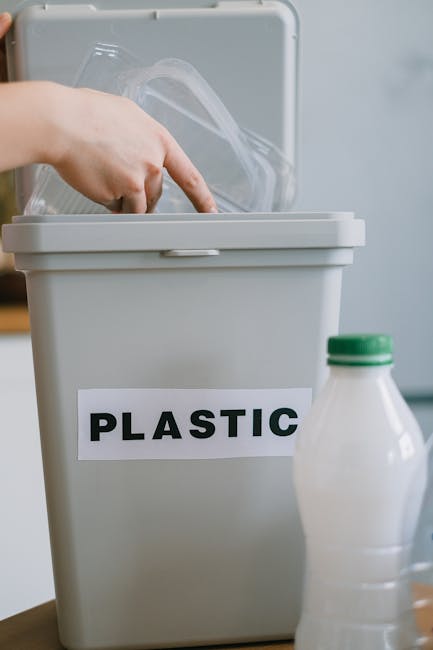
- Recyclable materials like cardboard, metal, some plastics, and untreated wood.
- General waste that cannot be reused or recycled easily.
- Specialist waste such as fridges, electricals, paint, chemicals, batteries, and other hazardous items.
- Confidential or sensitive waste like paperwork or files that should be shredded securely.
In a removals setting, the key is not just what the item is, but whether it has been kept separate and whether the person taking it away can legally and safely transport it. If you book a service that includes waste removal, it should be clear how items will be sorted and where they will be taken. That clarity matters. A lot.
If you are dealing with appliances or bulky household items, specialist handling is often the safest route. For example, a broken fridge is not just a heavy object; it may contain materials that need correct treatment. Likewise, mattresses and sofas can be awkward to move, difficult to recycle in one piece, and expensive to dispose of if they are contaminated or badly damaged. For those kinds of jobs, a dedicated service such as fridge and appliance removal or mattress and sofa disposal may be more sensible than trying to force everything into one generic load.
When the removal is commercial, the picture gets a little more serious. Offices often produce confidential documents, old desk furniture, electronics, and packaging from equipment. In that case, it is sensible to separate paper waste and use a secure route for confidential material, such as confidential shredding, rather than leaving sensitive files to be mixed in with everything else. It is one of those jobs that feels minor right up until it really, really is not.
Key benefits and practical advantages
Following the right disposal process after a removal is not only about avoiding trouble. It can make the whole moving day feel more controlled. And if you have ever moved in London traffic with boxes everywhere and a kettle you cannot find, control is worth a lot.
- Reduced legal risk: proper disposal lowers the chance of fines, complaints, or disputes about where waste ended up.
- Cleaner handover: leaving a property tidy can help with landlord inspections, agent checkouts, or business handbacks.
- Better recycling outcomes: materials that are sorted properly are more likely to be reused or recycled.
- Less last-minute stress: planned disposal avoids the frantic "where does this go?" scramble on moving day.
- Safer loading and transport: separate waste is easier to handle, especially when you have awkward or heavy items.
- Professional impression: a clean, well-managed clear-out says a lot, particularly in office or managed building settings.
There is also a financial angle. Waste that is sorted well can be easier to quote for and easier to move efficiently. Mixed loads, on the other hand, usually take longer to sort and can involve additional disposal complexity. If you are trying to keep costs in check, planning ahead matters more than people think. A little bit of sorting at source can save a lot later.
And yes, it also helps the people doing the lifting. Nobody enjoys carrying a bin bag full of mystery items alongside a mirror, two half-used paint cans, and a radiator key. That sort of mix is how delays happen.
Who this is for and when it makes sense
This guidance is for anyone leaving waste behind after a move in Maida Vale. That includes tenants, homeowners, landlords, letting agents, business owners, office managers, and anyone who has inherited the job of "just getting rid of the rest".
It is especially useful if you are:
- moving out of a flat and need to clear unwanted furniture
- closing or relocating a small office and handling desks, chairs, and electronics
- doing a probate clear-out or helping a relative downsize
- preparing a property for sale or re-let
- replacing old white goods during a home move
- trying to dispose of bulky items without causing damage to common areas
It also makes sense if you are using a man and van service and need more than simple transport. Sometimes a man with van approach is ideal for light loads, but once you add waste, bulky furniture, or mixed disposal needs, you may want a more structured plan and the right vehicle capacity. In some cases, a larger removal truck hire option is simply the better fit.
For commercial customers, the threshold is lower still. Office relocations tend to involve data protection concerns, fixed furniture, IT hardware, and more packaging waste than expected. That is where a service like office relocation services can be helpful because the moving and disposal stages can be planned together rather than treated as separate jobs.
Step-by-step guidance
Here is the practical version. No theory for theory's sake.
- Walk through the property before moving day. Make a room-by-room list of what is leaving, what is staying, and what needs special handling. You will miss fewer things this way, trust me.
- Separate items into clear categories. Keep recyclables, general waste, reusable items, and specialist items apart. Mixed piles create confusion and usually waste time.
- Identify anything hazardous or regulated. Batteries, chemicals, paint, contaminated soft furnishings, and some electricals need extra caution. If you are unsure, treat it as specialist waste until it is checked.
- Decide what can be reused or donated. Good-condition furniture is often worth saving from the skip or the tip route. Reuse is usually the cleanest outcome, both practically and environmentally.
- Book the right disposal support. If you need large-item removal, choose a service that can handle the weight, access, and disposal route properly. For bulky household items, a furniture pick up can keep things simple.
- Keep paperwork and evidence. If waste is collected or handed over by a third party, keep records, receipts, or service confirmation where possible. That helps if questions come up later.
- Do a final sweep. Check cupboards, loft spaces, under beds, behind radiators, and storage boxes. The little things hide best. Annoyingly well, in fact.
If the move includes a lot of boxes and packing material, consider a service that handles the packing side too. A good packing and unpacking services option can reduce the amount of broken packaging and stray waste you end up dealing with afterwards.
For anyone planning a domestic move, it is worth combining waste planning with the move itself. A properly organised home moves service can make the disposal stage much less chaotic, especially if you are on a tight timetable or dealing with a building that has awkward access.
Expert tips for better results
After enough removals, you start to notice patterns. The jobs that go smoothly are rarely the ones where everything was left to the last minute.
Tip 1: treat bulky waste separately from general rubbish. A broken wardrobe, a mattress, and a bag of packaging are not the same problem. Once they are lumped together, your options narrow fast.
Tip 2: don't assume "if it fits, it's fine". In removals, the legal side is not about van space alone. The item type matters. A load that looks neat can still contain waste that needs special care.
Tip 3: check building rules before move day. Some blocks in Maida Vale have rules about where waste can be left, how long it can stay in communal areas, and when lift protection or loading bay access is allowed. These details can save a lot of back-and-forth.
Tip 4: think about weather and timing. A damp pile of cardboard on a wet London morning is not only messy, it can become harder to sort and transport. Small thing, but it matters.
Tip 5: use the move as a declutter moment. If something has been sitting unused for years, ask whether it really deserves another trip. A removal is often the cleanest chance you will get to reset a space.
Tip 6: ask how waste is handled before you book. A reputable operator should be comfortable explaining what happens to recyclables, reusable items, and specialist loads. If the answer feels vague, that is a warning sign.
Good waste planning is usually invisible when it works well. You only notice it when someone has not done it.
Common mistakes to avoid
Most disposal problems after a removal come from a few familiar mistakes. The good news is that they are all avoidable.
- Leaving sorting until the end. When everything is piled together, the job becomes slower and more expensive.
- Mixing general waste with specialist items. This is especially risky with appliances, batteries, and chemicals.
- Assuming all removals teams handle waste the same way. They do not. Always check the service scope.
- Forgetting about hidden storage areas. Cupboards, balconies, lofts, and under-sink spaces are classic "oh no" zones.
- Ignoring confidential material. Old files and documents need proper treatment, not just a black bag and a hopeful shrug.
- Blocking communal areas. In a shared building, left-behind waste can create complaints very quickly.
- Using the cheapest option without checking compliance. Cheap can become expensive if the waste is not handled correctly.
One of the most common oversights is the appliance that nobody wanted to deal with. Fridges, freezers, and dishwashers often sit in kitchens until the last moment because they are awkward to move. That is exactly why a dedicated service such as fridge and appliance removal is often the safer route.
Another easy mistake? Underestimating sofas and mattresses. They take up more van space than people expect, and once they are dirty or damaged, disposal gets less simple. Better to plan for them early than make a desperate, late-night loading puzzle out of it.
Tools, resources and recommendations
You do not need a van full of gadgets to manage disposal properly, but a few basic tools make the process far smoother.
- Room-by-room checklist: helps you avoid leaving items behind.
- Colour-coded labels or tape: useful for separating keep, donate, recycle, and dispose piles.
- Heavy-duty bags and boxes: better for loose waste, packing leftovers, and broken materials.
- Protective gloves: sensible for sharp edges, dusty items, and old storage spaces.
- Inventory notes: handy if you are handling a commercial move or a large household clear-out.
- Photographs of waste loads: not essential, but useful if you want a record of what was left or removed.
For people who are trying to keep their disposal process more sustainable, a service with a clear recycling focus is worth considering. The recycling and sustainability information on the site is a helpful starting point for thinking about reuse, recycling, and lower-waste moving habits.
If you are unsure what can legally go into a mixed load, it can also help to compare your items against what can go in a skip. That does not replace proper advice for specialist items, of course, but it gives a practical sense of what is usually acceptable and what definitely needs extra attention.
For pricing questions, the best approach is always to get a proper quote based on the actual load. pricing and quotes pages are useful because disposal costs depend on volume, access, item type, and handling requirements. A one-size-fits-all assumption rarely holds up once you start lifting the sofa.
Law, compliance, standards and best practice
Let's keep this plain. Waste disposal after removals should follow accepted UK waste-handling practice: identify the waste type, keep hazardous or sensitive items separate, use legitimate carriers or collection routes, and avoid dumping anything that should not be left in communal bins or on the street.
The exact legal duties can vary depending on the waste type, who owns it, where it is generated, and how it is collected. That is why cautious planning is better than guesswork. In general, the most important practical standards are:
- Duty of care: waste should be passed to someone who can handle it properly.
- Traceability: keep a record of disposal where possible, especially for larger or commercial jobs.
- Segregation: separate items that need specialist treatment from ordinary rubbish.
- Safety: protect people, property, and shared areas during loading and transport.
- Respect for building rules: flats and managed properties often have their own disposal expectations.
If the removal is commercial, the compliance bar is usually higher because offices may involve data-sensitive material, electrical items, and more complex waste streams. In that context, policies such as health and safety policy and insurance and safety information matter because they show how risk is managed, not just how items are lifted.
For clients with sensitive documents or records, secure destruction is part of good compliance rather than a luxury add-on. Likewise, if you are moving a business, disposal planning should sit alongside relocation planning instead of being left until the final hour. That last-hour approach usually creates the worst kind of day: noisy, rushed, and full of second guesses.
Options, methods and comparison table
There is no single right way to handle waste after a Maida Vale removal. The best option depends on volume, item type, access, and how much sorting you are prepared to do. Here is a simple comparison to make the decision easier.
| Method | Best for | Pros | Watch-outs |
|---|---|---|---|
| Reusing or donating items | Good-condition furniture and household goods | Low waste, often the most efficient outcome | Not suitable for damaged, dirty, or unsafe items |
| Specialist bulky-item removal | Sofas, mattresses, appliances, heavy furniture | Safer handling, clearer disposal route | Needs correct booking and item details |
| Mixed waste collection | General clear-outs with varied waste | Convenient for one-off jobs | Requires careful sorting to avoid compliance issues |
| Secure shredding or confidential disposal | Office files, records, sensitive paperwork | Better privacy protection | Should not be mixed with ordinary rubbish |
| Self-sorting for recycling | Cardboard, basic recyclables, light household waste | Can reduce disposal load and improve sustainability | Time-consuming if the load is large or mixed |
If your removal is mainly domestic, a straightforward combination of man and van transport plus targeted disposal can be enough. If it is a larger property or includes more furniture than expected, a service like house removalists may be the safer choice because it can handle the full moving load and the awkward bits that tend to appear at the end.
For businesses, the better fit is often a more complete relocation package rather than piecemeal transport. That is where commercial moves can make the process feel less fragmented and a lot less chaotic.
Case study or real-world example
Imagine a Maida Vale two-bedroom flat being emptied at the end of a tenancy. The occupier has already taken personal belongings, but the property still has a broken bedside table, an old mattress, several boxes of cardboard, a fridge that no longer works, and a stack of documents from a home office drawer. Nothing huge. But enough to cause a headache.
The sensible approach is to split the load before the van arrives. Cardboard goes separate from general rubbish. The mattress is flagged as bulky waste. The fridge is treated as a specialist appliance. The documents are boxed for secure shredding. The bedside table is assessed for reuse or disposal, depending on condition. That sort of sorting takes maybe a little extra time upfront, but it saves the awful middle bit where everyone is standing around guessing.
In a real moving window, this could all happen on a damp Tuesday morning when the pavement is crowded, the lift is booked, and somebody on the third floor is trying to squeeze past with a coat rack. If the waste plan is already set, the team can work steadily instead of improvising. And honestly, improvising during a removal is how small jobs become long ones.
This is also where the right removal support matters. If the provider can transport, separate, and direct the items into the correct channels, the property is left cleaner and the handover is easier. For many households, that means combining removals with specific disposal support rather than trying to manage every piece separately.
Practical checklist
Use this quick checklist before and after your Maida Vale removal:
- List every item that needs disposal before moving day.
- Separate reusable items from rubbish.
- Identify appliances, batteries, chemicals, and other specialist waste.
- Set aside confidential paperwork for secure destruction.
- Confirm whether the building has access or disposal rules.
- Choose the right vehicle and service level for the load.
- Ask how recyclable items will be handled.
- Keep any relevant records or confirmations.
- Check cupboards, loft spaces, balconies, and storage units.
- Do a final walk-through once the van has left.
Quick summary: the safer your waste separation, the easier the move, the lower the risk, and the cleaner the handover. Simple as that.
Conclusion
Waste disposal laws after Maida Vale removals are not there to make life awkward. They are there to keep waste moving safely, responsibly, and through the right channels. Once you understand the basics, the process becomes much more manageable. Sort early, identify specialist items, keep records where appropriate, and choose a service that treats disposal as part of the move rather than a side issue.
That approach protects you, helps the property handover, and makes the whole day feel calmer. A bit less scrambling. A bit more order. And in moving, that is no small thing.
Get a free quote today and see how much you can save.
When the boxes are gone and the last room finally echoes a little, it is a good feeling to know the waste was handled properly too.
Frequently Asked Questions
What counts as waste after a Maida Vale removal?
It usually includes anything left behind that is no longer wanted or cannot be reused, such as broken furniture, cardboard, packaging, old appliances, carpet offcuts, and unwanted household items.
Can I leave rubbish in a communal bin area after moving out?
Usually no, not unless the building rules and local arrangements clearly allow it. Shared bin areas can become a problem quickly if bulky waste or mixed rubbish is left there.
Are fridges and other appliances treated differently?
Yes. Appliances often need specialist handling because of their size, weight, and materials. A dedicated appliance removal service is usually the safer option.
What should I do with old paperwork and files?
Anything sensitive should be separated and destroyed securely. Confidential shredding is the sensible route when documents contain personal or business information.
Can sofas and mattresses go with general rubbish?
Not usually. They are bulky items and often need a specific disposal route. Keeping them separate makes collection and processing much easier.
How do I know if an item is hazardous?
If it contains chemicals, batteries, paint, fuel residues, or anything that could leak, react, or cause harm, treat it as hazardous until confirmed otherwise. When in doubt, do not mix it with general waste.
Is it better to recycle items or just remove everything at once?
Recycling and reuse are generally better where possible, but the right choice depends on the condition and type of the item. If you sort waste first, you can usually keep more out of general disposal.
Do removal teams always handle waste disposal?
No, not always. Some only move items, while others also offer disposal or recycling support. It is worth checking the service scope before booking.
What is the safest way to plan waste disposal on moving day?
Separate items in advance, label anything special, keep access routes clear, and confirm in writing what will be taken away. A little planning saves a lot of awkwardness.
Will waste disposal affect the cost of my move?
Often yes, because disposal depends on item type, volume, labour, and transport needs. Larger or specialist items usually require more careful handling and may change the price.
What if I am moving an office rather than a home?
Office moves tend to involve more sensitive material, electronics, furniture, and packaging waste, so compliance and sorting matter even more. A commercial move is usually easier when waste handling is planned alongside relocation.
How can I keep the process more environmentally responsible?
Reuse what you can, recycle what is suitable, separate specialist waste, and avoid sending mixed loads to disposal unnecessarily. The calmer, more sorted approach is usually the greener one too.
What should I do if I am unsure about a particular item?
Do not guess. Put it aside, check whether it needs specialist handling, and ask before it is loaded. That one pause can prevent a lot of trouble later.